

Step by step toward a drug-free tourism area in Sa Pa
Sa Pa – a key tourism area of Lao Cai province – attracts large numbers of domestic and international visitors each year. Rapid tourism growth brings higher requirements for security and public order, especially drug prevention and control. In that context, a new approach being implemented effectively in Sa Pa Ward is promoting proactive roles by accommodation businesses in the area.
Unlike before, when inspections were mainly carried out by authorities, many accommodation facilities now voluntarily implement prevention measures from within. Drug testing has been built into staff management, conducted periodically and unannounced, so that risks of violations can be detected and stopped early. For Sa Pa tourism to develop sustainably, safety must come first. Hotels have therefore proactively obtained test kits and coordinated with Sa Pa Ward Police to run periodic and unannounced checks of all staff, helping tighten internal control.
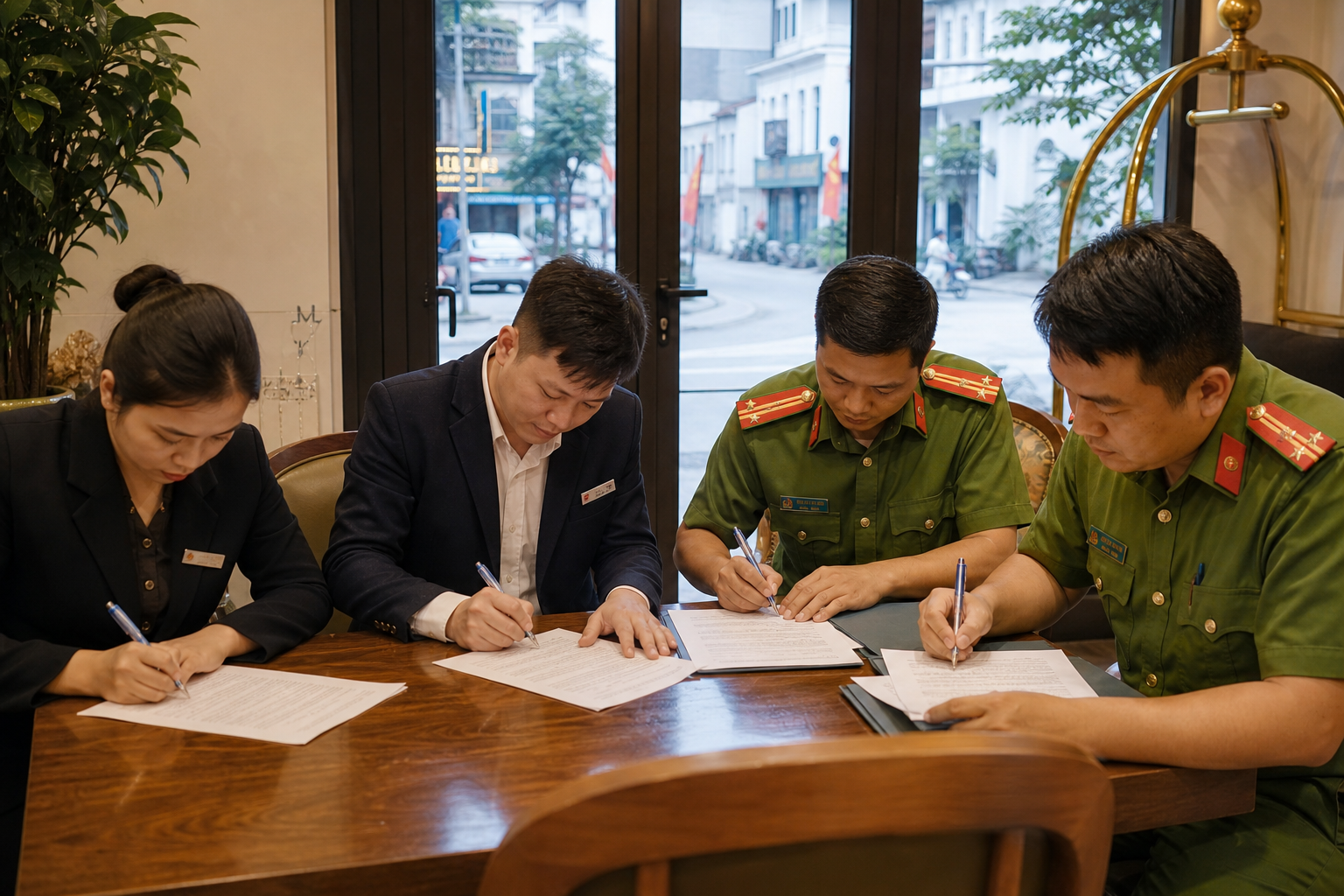
Beyond testing, accommodation facilities also focus on communication to raise workers’ awareness. This has clearly improved staff compliance with the law. Hotel employees say they once felt anxious when asked to take a drug test. After being informed, they understand it is necessary, and they take greater responsibility for keeping a safe workplace for themselves, colleagues, and guests.
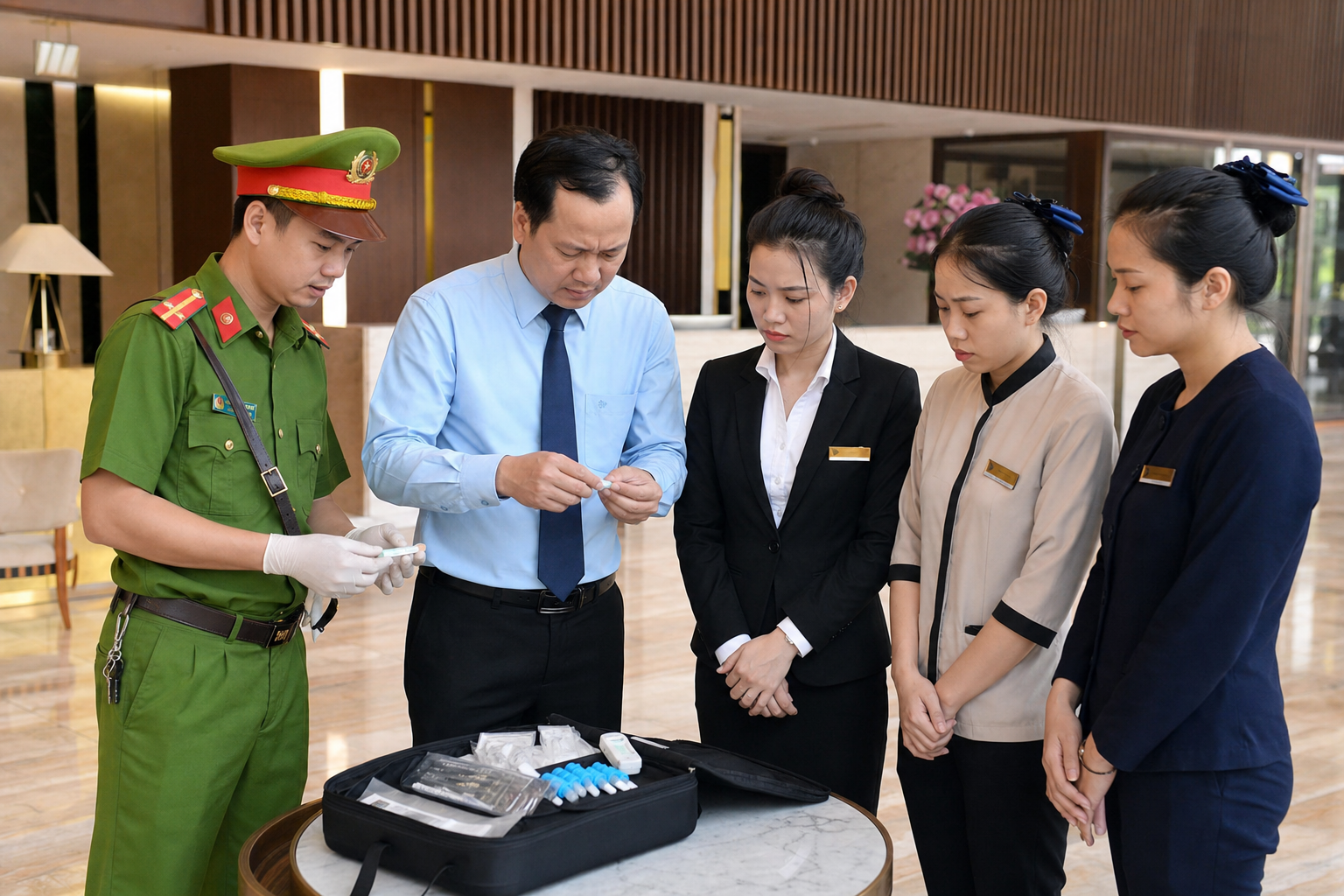
From a professional view, testing is not only about control; it also strengthens workplace discipline and a healthy working environment. These drug tests are mainly preventive and enjoy strong staff consensus. That steadies workers’ confidence and reassures visitors, improving service quality and the facility’s reputation.
Alongside business initiative, Sa Pa Ward Police have applied coordinated professional measures, stepped up inspections and guidance, and worked closely with accommodation businesses. Notably, since implementing Lao Cai Provincial People’s Committee Resolution 51 on building 100% drug-free communes and wards by 2026, Sa Pa Ward Police have initiated prosecution in 07 cases involving 12 subjects; seized 66.388 g of heroin, 1.015 g of cannabis, and 0.722 g of synthetic drugs; sent 04 persons to compulsory rehab; and administratively sanctioned 02 cases of illegal drug use.
From businesses to workers, a “soft shield” is gradually forming in drug prevention and control in Sa Pa.
As a key tourism area, Sa Pa Ward Police have proactively advised Party committees and local authorities to roll out coordinated measures for a drug-free locality, with stronger outreach to residents, businesses, and schools. Many businesses now clearly understand their roles and actively work with the police on drug prevention—from internal checks to communication—improving prevention at the grassroots. In practice, when businesses act, workers raise awareness, and authorities stay closely engaged, drug prevention moves beyond handling violations toward root-cause prevention.
From these positive changes, Sa Pa Ward is step by step building a solid drug-prevention posture toward a drug-free locality, helping keep tourism safe, civilized, and sustainable.